

Why Reading Matters More Than Ever for Students
Research consistently links regular reading to academic and life outcomes:
Students who read for pleasure for as little as 20 minutes per day are exposed to approximately 1.8 million words per year — dramatically expanding vocabulary and background knowledge
A 2019 study published in Nature Human Behaviour found that reading books is associated with longer life expectancy and better cognitive function in later life
The PISA assessments (which test 15-year-olds globally) consistently show that daily reading for enjoyment is one of the strongest predictors of academic performance — even stronger than socioeconomic status in some analyses
Beyond academics, reading builds empathy, reduces stress, and develops the capacity for sustained concentration — a skill increasingly rare and increasingly valuable.
The Biggest Barriers to Reading as a Student
Before building the habit, it helps to identify what typically gets in the way:
Screen competition: Social media and video platforms are engineered to be addictive, creating stiff competition for your attention
Choosing the wrong books: Starting with books that are too difficult or uninteresting kills motivation early
Waiting for the "right time": Treating reading as something for holidays or weekends rather than a daily practice
Guilt about reading fiction: Many students feel that reading novels is not "productive" and therefore prioritise other activities
No dedicated reading time: Without a scheduled slot, reading gets perpetually postponed
Step 1: Start with What You Actually Enjoy
The single biggest mistake aspiring readers make is starting with books they think they should read rather than books they actually want to read. If you love football, start with a sports biography. If you love mystery, start with a gripping thriller. If you love science, start with a popular science book that reads like a story.
The goal in the beginning is simple: build the habit. The content is secondary. Any book that keeps you turning pages is the right book for right now. Literary classics and challenging non-fiction can come later, once the habit is embedded.
Step 2: Set a Small, Achievable Daily Target
Ambitious targets kill habits. If you have never read consistently before, committing to "30 minutes a day" is setting yourself up for failure on busy days. Instead, start with a minimum that feels almost embarrassingly easy:
Week 1–2: Read 5 pages per day
Week 3–4: Read 10 pages per day
Month 2 onwards: Read 20 pages per day or 20–30 minutes per day
The key principle here is consistency over intensity. Reading 5 pages every day for a year produces far better outcomes than reading 100 pages one weekend and nothing for two weeks. At just 20 pages per day, you will read approximately 12–18 full books per year — transforming into a truly well-read person within 2–3 years.
Step 3: Create a Reading Ritual
Habits stick when they are attached to existing routines and consistent environmental cues. Create a personal reading ritual:
Choose a fixed time — right before bed, after breakfast, or during your lunch break
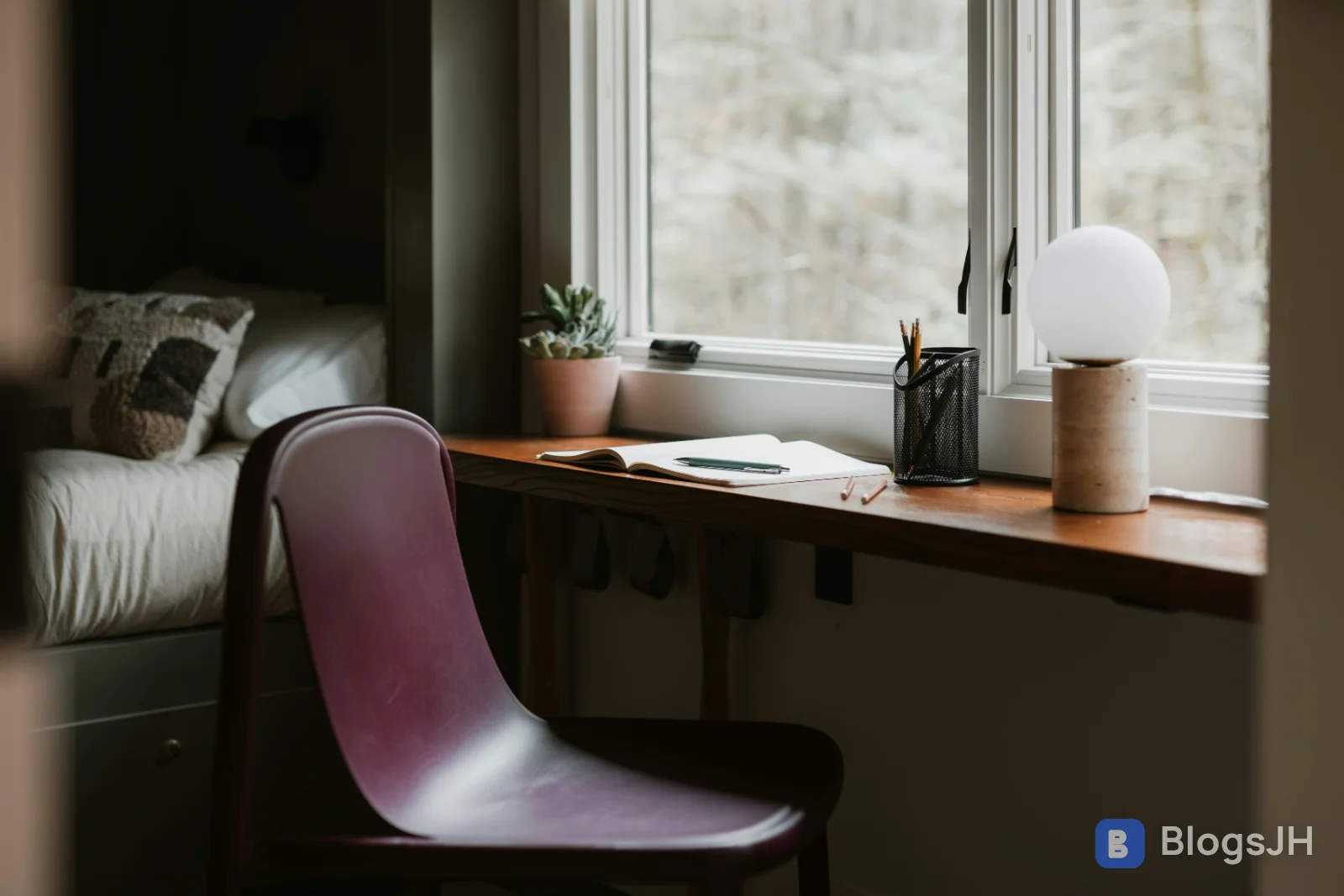
Choose a fixed location — your desk, your bed, a favourite chair, or a library corner
Add a sensory cue — a cup of tea or coffee, a specific lamp, quiet background music — anything that signals to your brain that it is reading time
Habit research shows that pairing a new behaviour with an established routine (e.g., "after I have dinner, I read for 20 minutes") significantly increases the likelihood of the behaviour becoming automatic.
Step 4: Eliminate Competing Distractions
This step is critical. Most students find that the moment they pick up a book, their phone buzzes, a notification pops up, and the reading session dissolves. Protect your reading time:
Put your phone in another room or use app timers to block social media during reading sessions
Use website blockers on your laptop or tablet if you read digitally
Inform family members or roommates that your reading time is a do-not-disturb period
Keep a physical book on your desk or nightstand as a constant visual cue and temptation
Step 5: Build a Personal Reading List
One reason reading sessions stall is simply not knowing what to read next. Always have your next 3–5 books lined up. Sources for book recommendations:
Goodreads.com — community reviews and personalised recommendations
"Books similar to [book you enjoyed]" searches
Reading lists published by educators, authors, and institutions you respect
Your school or public library — often curated by subject and reading level
What to Read as a Student
A well-rounded student reading list should include a mix:
Category | Examples | Benefits |
|---|---|---|
Fiction (novels) | Harry Potter, The Alchemist, To Kill a Mockingbird | Vocabulary, empathy, storytelling sense |
Popular Science | A Brief History of Time, Sapiens, The Selfish Gene | Scientific thinking, background knowledge |
Biographies / Memoirs | Wings of Fire, Long Walk to Freedom, Steve Jobs | Inspiration, real-world context, life lessons |
Self-development | Atomic Habits, The 7 Habits of Highly Effective People | Study skills, life management, motivation |
Current affairs / Essays | Quality newspaper articles, magazines | GK, analytical thinking, exam readiness |
Step 6: Track Your Reading
Tracking creates accountability and a sense of progress — both powerful motivators. Simple tracking methods:
A reading log (notebook with book title, start date, end date, brief notes)
Goodreads "Currently Reading" and "Read" shelves
A physical "books read" list on your study room wall
A simple spreadsheet
Seeing your reading list grow is deeply satisfying and reinforces the identity shift from "someone who wants to read" to "a reader."
Step 7: Join a Reading Community
Reading is often thought of as a solitary activity, but community can powerfully accelerate habit formation. Consider:
Joining or starting a school book club
Following reading challenge communities on Goodreads or Reddit (r/books)
Reading the same book as a friend and discussing it
Social accountability and shared enthusiasm for reading can make all the difference in maintaining consistency.
Reading for Exams vs. Reading for Life
It is important to distinguish between exam-focused reading (which is targeted and analytical) and pleasure reading (which is about exploration and enjoyment). Both are valuable, and both build your reading ability — but they should not be confused. Pleasure reading loses its restorative power if it becomes just another chore on your study schedule. Protect it as something you genuinely enjoy.
Conclusion
Building a reading habit as a student is one of the highest-return investments you can make in yourself. The benefits compound over time — each book expands your vocabulary, your knowledge, and your capacity to think clearly and express ideas. Start small, choose books you genuinely enjoy, create a consistent ritual, and protect your reading time from digital distractions. Within a few months, you will no longer think of reading as a habit to build — it will simply be part of who you are.


Join the Conversation
0 CommentsNo comments yet
Be the first to share your thoughts and start the discussion.