
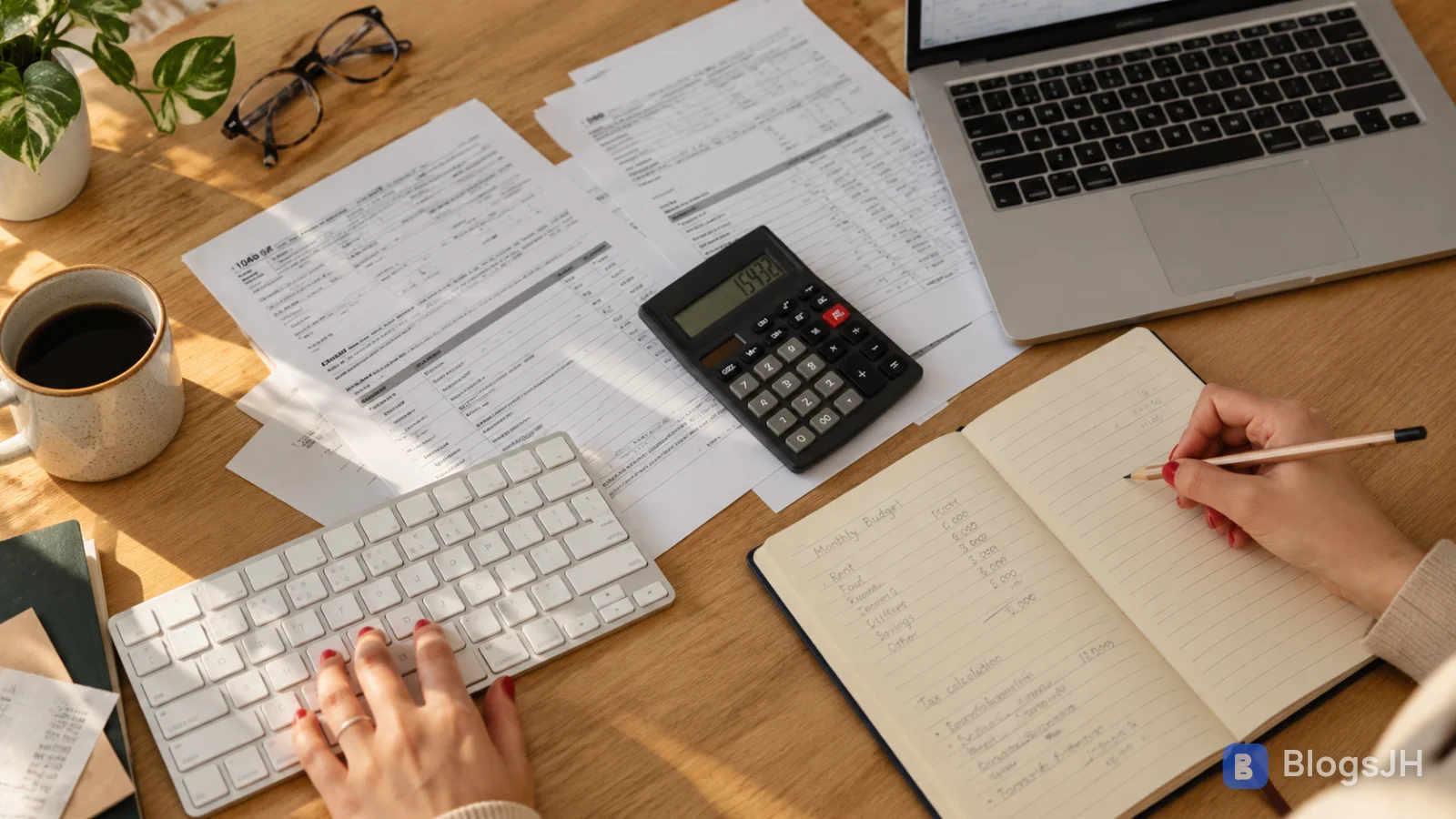
What Is Income Tax?
Income tax is a direct tax levied by the Government of India on the income earned by individuals, Hindu Undivided Families (HUFs), companies, and other entities in a financial year (April 1 to March 31). For individual taxpayers, the amount of tax owed depends on their total income and the applicable tax slab.
Income tax in India is governed by the Income Tax Act, 1961 and administered by the Income Tax Department under the Ministry of Finance. The Central Board of Direct Taxes (CBDT) oversees tax policy and administration.
Who Must Pay Income Tax?
You are required to pay income tax in India if your gross total income exceeds the basic exemption limit in a financial year. For individuals below 60 years of age:
Old Tax Regime: Exempt up to ₹2.5 lakh per year
New Tax Regime (default from FY 2023-24): Exempt up to ₹3 lakh per year; with standard deduction of ₹50,000, effective exemption is ₹3.5 lakh (and up to ₹7 lakh with rebate under Section 87A)
Even if you don't owe any tax, you may still be required to file a return if your gross income exceeds ₹2.5 lakh (old regime) or ₹3 lakh (new regime), or if you have certain types of income like foreign assets, capital gains, or business income.
Sources of Income and Their Tax Treatment
The Income Tax Act classifies income into five heads:
Head of Income | Examples |
|---|---|
Salary | Basic salary, HRA, allowances, bonus, perquisites |
House Property | Rental income from property; notional rent on self-occupied property (partially) |
Business/Profession | Profit from freelancing, business, or professional practice |
Capital Gains | Profit from selling stocks, mutual funds, gold, property |
Other Sources | FD interest, savings account interest, dividends, winnings |
Old Tax Regime vs New Tax Regime
Since FY 2020-21, India has had two parallel tax regimes. As of FY 2023-24, the new regime is the default, but you can opt for the old regime if it saves you more tax.
Old Tax Regime
Allows deductions and exemptions (HRA, LTA, 80C, 80D, etc.)
Better for those with high deductions (home loan, ELSS, large HRA)
New Tax Regime (Default)
Lower tax rates but most deductions/exemptions are not allowed
Simpler filing, standard deduction of ₹50,000 for salaried individuals is allowed
Better for those with few deductions or lower income
New Regime Tax Slabs (FY 2024-25)
Income Slab | Tax Rate (New Regime) |
|---|---|
Up to ₹3,00,000 | Nil |
₹3,00,001 – ₹7,00,000 | 5% |
₹7,00,001 – ₹10,00,000 | 10% |
₹10,00,001 – ₹12,00,000 | 15% |
₹12,00,001 – ₹15,00,000 | 20% |
Above ₹15,00,000 | 30% |
Rebate under Section 87A: If your total income does not exceed ₹7 lakh (new regime), you get a full tax rebate — meaning you effectively pay zero tax. This makes the new regime very beneficial for those earning up to ₹7.5 lakh (₹7 lakh + ₹50,000 standard deduction).
Key Deductions You Should Know (Old Regime)
Section 80C (Up to ₹1.5 Lakh)
The most widely used deduction. Eligible investments and expenses include:
ELSS mutual funds
PPF (Public Provident Fund)
EPF (Employee Provident Fund contributions)
Life Insurance Premium
NSC (National Savings Certificate)
5-Year Tax-Saver Fixed Deposit
Principal repayment on home loan
Tuition fees for up to 2 children
Section 80D (Health Insurance Premiums)
Deduction up to ₹25,000 for health insurance premiums paid for self, spouse, and children. Additional ₹25,000 (₹50,000 if senior citizen) for parents' health insurance.
Section 24(b) (Home Loan Interest)
Deduction up to ₹2 lakh per year on interest paid on a home loan for a self-occupied property.
Section 80E (Education Loan Interest)
Full deduction (no upper limit) on interest paid on an education loan for higher studies. Available for 8 years from the year you start repaying.
HRA (House Rent Allowance)
Salaried individuals paying rent can claim HRA exemption. The exempt amount is the minimum of: actual HRA received, 50% of salary (40% in non-metros), or rent paid minus 10% of salary.
What Is TDS?
Tax Deducted at Source (TDS) is the mechanism by which tax is deducted directly at the point of income — by your employer (from salary), by banks (from FD interest), or by clients (from freelance payments). The deducted amount is deposited with the government on your behalf and reflects in your Form 26AS. When you file your return, TDS already deducted is adjusted against your total tax liability.
Important Documents for Filing ITR
Form 16: Issued by your employer; shows salary earned and TDS deducted
Form 26AS: Tax credit statement showing all TDS deducted on your PAN
Annual Information Statement (AIS): Comprehensive statement of income and transactions linked to your PAN
Investment proofs: ELSS statements, PPF passbook, insurance receipts
Bank statements: For FD interest and savings account interest
How to File Your Income Tax Return (ITR)
Visit the Income Tax e-Filing portal: incometax.gov.in
Log in with your PAN and password (create account if first-time)
Select the correct ITR form (ITR-1 for salaried individuals with one house property and income up to ₹50 lakh)
Pre-filled data from Form 26AS and AIS will be auto-populated — verify and correct as needed
Enter deductions and exemptions if using the old regime
Verify tax liability or refund amount
Pay any remaining tax due, then submit and e-verify (via Aadhaar OTP or net banking)
The due date for filing ITR for most salaried individuals is 31st July of the assessment year.
Common Tax Mistakes Young Indians Make
Not filing a return because "my employer deducted everything" — filing is still mandatory above the threshold
Missing the deadline and facing penalty + interest
Not declaring all income (FD interest, freelance income, capital gains)
Claiming deductions without proper proof
Not choosing the right tax regime for their income profile
Old vs New Tax Regime: Detailed Decision Framework
Since the introduction of the revised tax framework, Indian taxpayers can choose between the Old Tax Regime (which allows multiple exemptions and deductions) and the New Tax Regime (which features lower tax slabs but eliminates most deductions):
Feature / Parameter | Old Tax Regime | New Tax Regime (Default) |
|---|---|---|
Standard Deduction (Salaried) | ₹50,000 | ₹75,000 (increased in recent budgets) |
Rebate Under Section 87A | Full rebate for taxable income up to ₹5,00,000 | Full rebate for taxable income up to ₹7,00,000 (effective zero tax) |
Section 80C Deductions | Up to ₹1,50,000 (PPF, ELSS, EPF, LIC, tuition fees) | Not Available |
Section 80D (Health Insurance) | Up to ₹25,000 for self; up to ₹50,000 for senior parents | Not Available |
House Rent Allowance (HRA) | Exempt under Section 10(13A) with rent receipts | Not Available |
Home Loan Interest (Sec 24b) | Deduction up to ₹2,00,000 for self-occupied property | Not Available |
Key Tax Filing Forms Every Fresher Should Recognize
When you begin filing returns, familiarizing yourself with key income tax documentation prevents processing delays and compliance notices:
Form 16: Certificate of deduction of tax at source (TDS) issued annually by your employer, detailing gross salary, exemptions, and taxes deposited.
Annual Information Statement (AIS) & Form 26AS: Centralized tax ledgers maintained by the Income Tax Department reflecting all taxes deducted, high-value transactions, dividends, and bank interest credited to your PAN.
ITR-1 (Sahaj): The simplified income tax return form for resident individuals with income up to ₹50 lakh from salary, one house property, and other sources (interest).
Conclusion
Income tax is not a mysterious system designed to confuse you — at its core, it is straightforward: earn income, calculate tax, claim deductions if applicable, pay the balance, file a return. As a young Indian, understanding these basics empowers you to make smarter financial decisions, legally minimise your tax outflow, and stay compliant without anxiety. Start with understanding your pay slip, your Form 16, and whether the old or new regime benefits you more. Use the free government portal to file your own return — and save the money you would have spent on unnecessary CA fees for more productive financial goals.



Join the Conversation
0 CommentsNo comments yet
Be the first to share your thoughts and start the discussion.