
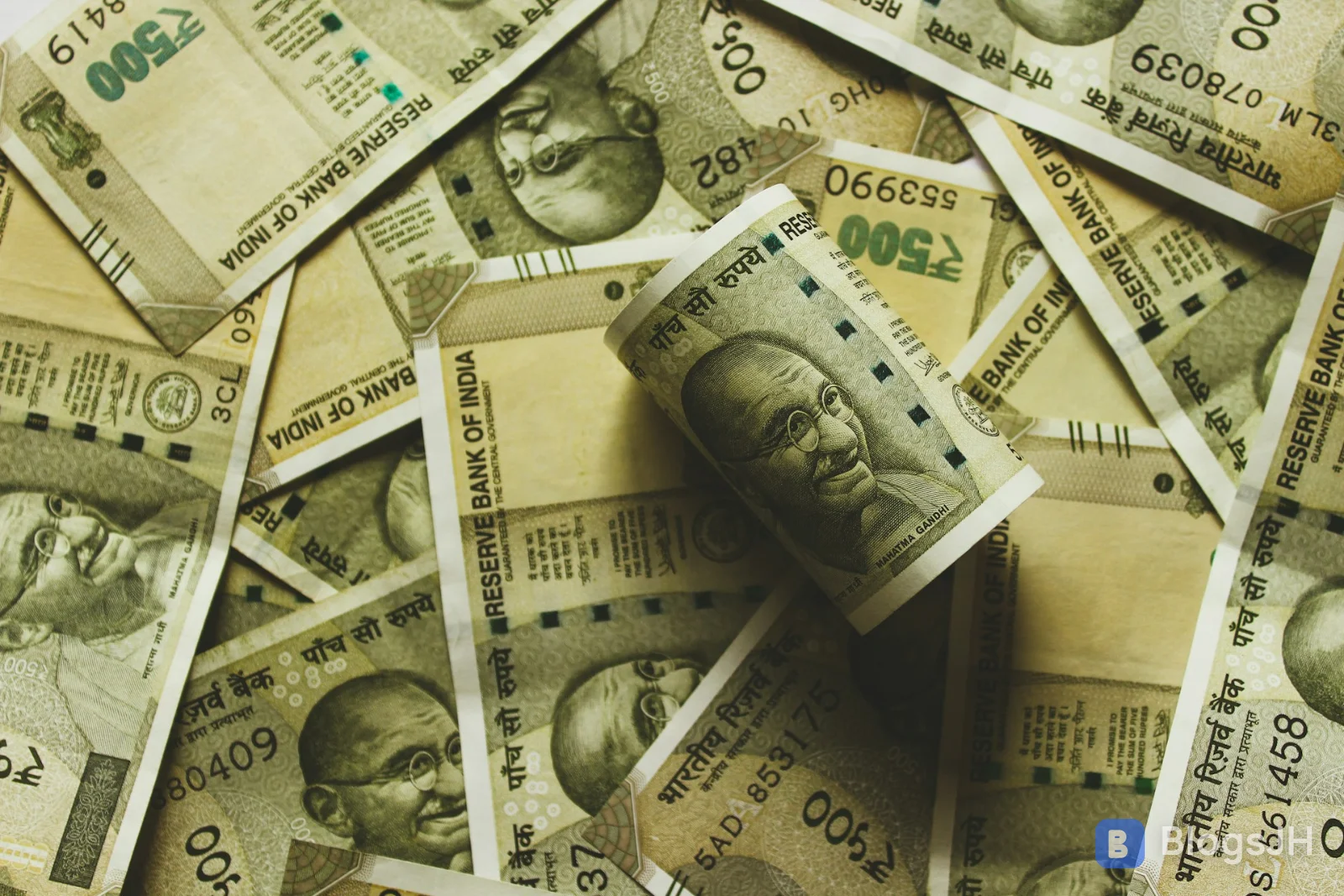
What Is Inflation?
Inflation is the rate at which the general price level of goods and services rises over time, causing the purchasing power of money to fall. In simple terms, when inflation is high, each rupee you have buys less than it used to.
The opposite of inflation is deflation, where prices fall and money buys more. While deflation might sound appealing, it is equally dangerous — it signals economic contraction, falling wages, and rising unemployment. Most economists consider a moderate, stable inflation rate (around 2–4%) as healthy for a growing economy.
How Is Inflation Measured in India?
India primarily uses two indices to measure inflation:
1. Consumer Price Index (CPI)
CPI measures the average change in prices paid by consumers for a basket of goods and services including food, clothing, housing, transport, and healthcare. The Reserve Bank of India (RBI) targets CPI inflation at 4% (with a tolerance band of 2–6%). CPI is the most relevant inflation measure for ordinary citizens.
2. Wholesale Price Index (WPI)
WPI measures price changes at the wholesale level — before goods reach the retail consumer. It is more relevant for businesses and supply chain analysis. WPI often leads CPI trends.
Year | India CPI Inflation Rate | Key Driver |
|---|---|---|
2019 | 3.7% | Food and fuel moderation |
2020 | 6.6% | Food inflation, supply disruptions (COVID) |
2021 | 5.1% | Fuel prices, vegetable costs |
2022 | 6.7% | Global commodity prices, Ukraine war impact |
2023 | 5.7% | Cereal, spice, and fuel inflation |
2024 | 4.9% | Vegetable prices, gradual moderation |
What Causes Inflation?
Demand-Pull Inflation
When too much money chases too few goods, prices rise. This happens during periods of economic boom, when people have more disposable income and spend more. India's rapid economic growth often creates demand-pull inflation in sectors like real estate and consumer goods.
Cost-Push Inflation
When the cost of production rises — due to higher oil prices, raw material costs, or wage increases — businesses pass those costs on to consumers through higher prices. The global oil price surge after the Russia-Ukraine war in 2022 caused cost-push inflation across the world, including India.
Built-In Inflation
This occurs when workers demand higher wages (to cope with rising prices), and businesses raise prices further to cover the increased wage bill — creating a self-perpetuating wage-price spiral.
Monetary Factors
When the central bank prints more money or keeps interest rates very low for too long, more money enters the economy, reducing its value relative to goods. This is sometimes described as "too much money chasing too few goods."
How Inflation Affects Your Daily Life in India
1. Food and Groceries
Food inflation hits hardest for lower and middle-income Indian families, who spend 40–50% of their income on food. When tomatoes suddenly cost ₹200/kg or onion prices spike, household budgets get disrupted overnight. India's food inflation is particularly volatile due to monsoon dependency, supply chain issues, and global commodity price movements.
2. Housing and Rent
Property prices in Indian metro cities — Mumbai, Delhi, Bengaluru, Pune — have risen significantly over the past two decades. Rents follow. A flat that rented for ₹10,000/month in 2012 in a tier-1 city may now command ₹25,000–₹35,000. If your income hasn't risen proportionally, inflation has quietly squeezed your lifestyle.
3. Savings and Fixed Deposits
This is where inflation silently steals from you. If your FD earns 6.5% interest per year but inflation is 5.5%, your real return is only 1%. After factoring in income tax on FD interest (taxed at your slab rate), your real return may actually be negative. This means your money is actually losing purchasing power even while sitting in a "safe" FD.
Real Return Formula: Real Return = Nominal Return − Inflation Rate
Example: FD at 7% − Inflation at 5.5% = Real Return of 1.5% (before tax)
4. Retirement Planning
Inflation is the biggest enemy of retirement savings. If you need ₹50,000/month to live comfortably today, and inflation averages 5% annually, you'll need approximately ₹1.3 lakh/month in 20 years to maintain the same lifestyle. Anyone who doesn't account for inflation in retirement planning risks outliving their savings.
5. Loans and EMIs
Inflation has an interesting silver lining for borrowers: it erodes the real value of debt. If you took a home loan of ₹30 lakh in 2010, that sum represents much less purchasing power today than it did then. However, rising inflation often forces the RBI to raise interest rates, which increases EMIs for floating-rate loans.
How to Protect Your Money from Inflation
1. Invest in Equity (Stocks and Mutual Funds)
Historically, equity markets in India have outpaced inflation over the long term. The Sensex has delivered approximately 13–15% annualised returns over the past two decades, well above the average inflation rate of 5–6%. Investing in index funds or diversified equity mutual funds is the most effective way to grow wealth faster than inflation.
2. Consider Real Estate
Real estate values and rents tend to rise with inflation. If you own property, it can serve as an inflation hedge. However, real estate requires large capital, is illiquid, and has other risks including regulatory changes.
3. Gold as a Hedge
Gold has traditionally been an inflation hedge in India. Over time, gold prices tend to rise in line with or above inflation, especially during economic uncertainty. Digital gold, Sovereign Gold Bonds (SGBs), or Gold ETFs offer cleaner ways to hold gold without storage concerns.
4. Sovereign Gold Bonds (SGBs)
Issued by the Government of India, SGBs offer gold-linked returns plus 2.5% annual interest, with capital gains tax exemption on maturity. They are among the best inflation-hedging instruments for conservative Indian investors.
5. TIPS-Equivalent in India: Inflation-Indexed Bonds
The RBI periodically issues Inflation-Indexed Bonds (IIBs) whose returns are linked to CPI. While not always available, these are worth exploring for risk-averse investors seeking inflation protection.
The RBI's Role in Managing Inflation
The Reserve Bank of India uses monetary policy tools — primarily the repo rate — to control inflation. When inflation rises, the RBI increases the repo rate (the rate at which banks borrow from the RBI), making credit more expensive. This reduces consumer borrowing and spending, cooling demand and slowing price increases. When inflation is low, the RBI may cut rates to stimulate economic activity.
Conclusion
Inflation is a silent, constant force shaping the value of every rupee you earn, save, and spend. Understanding it empowers you to make smarter financial decisions — choosing investment instruments that beat inflation rather than merely keeping pace with it, planning retirement savings that account for future costs, and adjusting your spending and saving habits accordingly. In a country like India, where food and fuel prices can swing dramatically, being inflation-aware is not just a financial skill — it's a survival strategy for your wealth.



Join the Conversation
0 CommentsNo comments yet
Be the first to share your thoughts and start the discussion.